

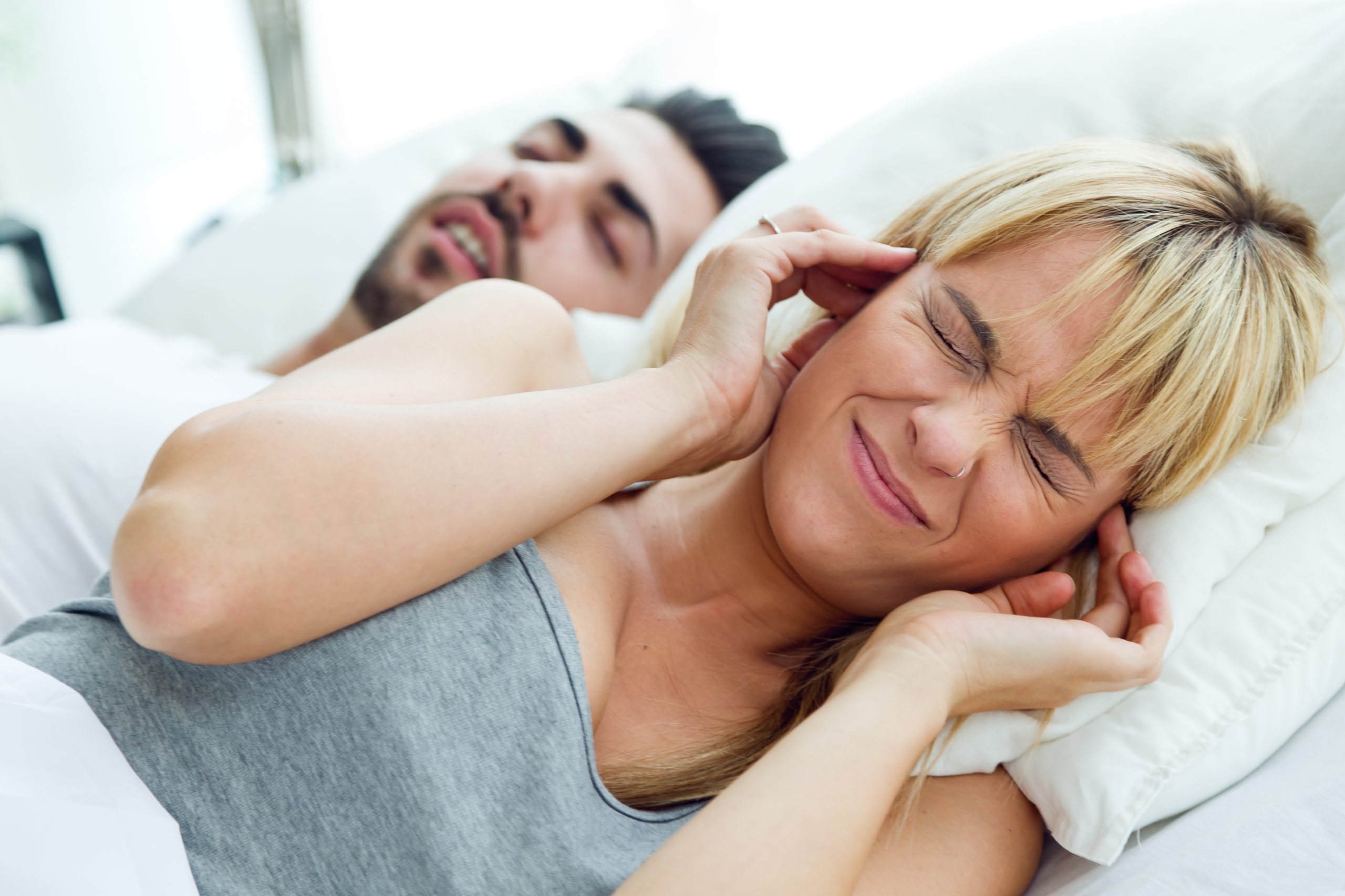
Snoring is loud, it strains relationships, and it is often a sign that the airway is working too hard at night. The good news is that, for many people, a small, custom-made mouth device is all it takes to quiet the night. It is called an oral appliance, and our team at Dental Specialists of Turramurra fits them for patients across Sydney's upper North Shore every week.
This page explains how a custom oral appliance works, who it suits, and what the first appointment looks like.
What causes snoring?
Snoring happens when the air you breathe has to squeeze past soft tissue that is in the way. As you fall asleep, the tongue and the soft palate relax. If they fall back, the airway narrows. Air moving through a narrow gap makes the soft parts vibrate, and that vibration is the snore.
The 5 things that make snoring more likely are:
- Sleeping on your back , when gravity pulls the tongue backwards.
- Being above a healthy weight , which adds soft tissue around the airway.
- Alcohol close to bedtime , which relaxes the muscles more than usual.
- A jaw that sits back , leaving less room for the tongue.
- A blocked nose , which forces mouth breathing.
Any one of these can start a snore. Two or three together is a nightly event.
How does an oral appliance stop snoring?
A custom oral appliance holds the lower jaw gently forward while you sleep, which opens the airway at the back of the throat. The device sits over the upper and lower teeth, like two retainers joined together. A small adjustment mechanism lets the jaw position be tuned to the millimetre.
The 3 things the device does at night are:
- Brings the jaw forward so the tongue has more room and does not fall back.
- Holds the soft palate away from the back of the throat.
- Keeps the mouth in a stable position so the airway does not narrow as muscles relax.
It is small, silent, and travels well. Most patients sleep with it from the first or second night, after a short settling-in period.
Is an oral appliance right for everyone who snores?
No, but it helps most mild to moderate snorers, and many with simple obstructive sleep apnoea as well. Our team looks at 4 things before recommending one:
If there are signs of obstructive sleep apnoea (OSA), we work with your GP or sleep physician to confirm the diagnosis with a sleep study. An oral appliance is a common OSA treatment, and a good fit for people who cannot get on with a CPAP machine.
What happens at a first snoring appointment?
A first visit is an assessment and a chat, not a fitting. Here is what to expect:
- A short talk about your snoring, your sleep, and your day.
- A look at your teeth, jaw, and bite to see if an oral appliance is a safe option.
- A scan or impression of the upper and lower teeth, so the device is made to fit.
- A follow-up 2 to 3 weeks later to fit the device and adjust the jaw position.
If you are nervous, we have a few things that help. We use a computerised anaesthetic unit for any numbing, drop by drop through a tiny point. We offer aromatherapy eye packs and virtual reality DVD viewers during longer visits, and premedication or inhalational analgesia for anxious patients.
How do you care for an oral appliance?
A custom oral appliance lasts for 2 to 5 years with simple daily care. The 4 care steps are:
- Brush it with a soft toothbrush and cool water each morning.
- Let it air dry on a clean surface before putting it in its case.
- Bring it to your check-ups so the team can adjust the fit.
- Avoid hot water, which can warp the acrylic.
A quick review every 6 to 12 months keeps the bite, the fit, and the result steady.
How to get help from our Turramurra team
If snoring is part of your night, the first step is a sleep assessment at our practice. We see patients from Turramurra, Wahroonga, Warrawee, Pymble, Gordon, Killara, Lindfield, Roseville, St Ives, and Hornsby.
- Practice : Dental Specialists of Turramurra
- Address : Suite 1-2 / 1335 Pacific Highway, Turramurra NSW 2074
- Phone : (02) 9488 7455
- Hours : Monday to Friday, 9:00 am - 5:00 pm
To read more about the device, the fitting, and who it suits, see our Snoring Treatment page. For an overview of how orthodontics can also play a part in opening the airway, our Orthodontics page is a good next read.
Frequently Asked Questions
Will an oral appliance stop my snoring completely?
For most patients, it lowers the volume sharply, and often removes the snore entirely. The result depends on the cause, the fit, and whether weight, alcohol, or sleep position are part of the picture.
Is an oral appliance comfortable?
A custom-fit appliance is far more comfortable than a chemist boil-and-bite guard. Most patients sleep with it from the first few nights, after a short adjustment period.
Can I use an oral appliance if I have dentures?
It depends on how many natural teeth you have left. The device needs solid teeth or implants to hold on to. Our prosthodontist, Dr Anthony Au, can talk through the options if your denture is part of the picture.
Does private health cover snoring treatment?
Cover depends on your extras and your fund. We accept BUPA, Medibank, and other major funds. We also offer payment plans through Afterpay, DentiCare, and humm.