If you have been told you have an overbite, or you have noticed it yourself in the mirror, you are not alone. An overbite is one of the most common bite problems our orthodontic team sees. This page explains what an overbite is, why it matters, and the treatment options we offer at Dental Specialists of Turramurra.
What is an overbite?
An overbite is when the top front teeth cover too much of the bottom front teeth when you bite down. Dentists also call it a deep bite. A small overbite is normal. A deep overbite is when the top teeth cover most or all of the bottom front teeth.
A deep overbite is not just a look. It can also change the way the back teeth meet, the way the jaw moves, and the way the teeth wear down over time.
What causes a deep overbite?
A deep overbite is usually caused by the way the jaw grew, the way the teeth came through, or a mix of both. Common causes include:
- the lower jaw sitting a little further back than the upper jaw
- the lower front teeth being shorter than usual
- the upper front teeth sticking out further than they should
- missing lower back teeth, which lets the lower jaw close too far
- teeth that have worn down over many years
Why does an overbite matter?
A deep overbite matters because it can wear down teeth, stress the jaw, and affect the look of your smile. The issues build up slowly, which is why many people only think about treatment once a dentist points it out.
Common effects of an untreated deep overbite:
- lower front teeth bite into the gum behind the upper front teeth
- the upper front teeth wear down on the inside
- the jaw joints (TMJs) get tired and sore, especially in the morning
- the face looks shorter because the lower teeth are hidden by the uppers
- fillings and crowns on the back teeth chip or break more often
How is an overbite diagnosed?
An overbite is diagnosed with a look at the teeth, some records, and a 3D scan. No special test is needed. The records help our team plan how the bite should be fixed and how long it will take.
Records usually include:
- photos of the teeth and the face
- a 3D scan of the teeth
- a panoral x-ray to see the roots and the jaw
You do not need all of these at the first visit.
How do you fix an overbite?
An overbite is fixed by moving the teeth, the jaw, or both, depending on the cause and how deep the bite is. The right plan depends on your age, the cause, and what you want the result to look like.
Most overbites are fixed with orthodontics alone. Severe jaw-related overbites in adults sometimes need a combined orthodontic and surgical plan. Our team will tell you which path suits your case at the consultation.
What are the treatment options at our Turramurra practice?
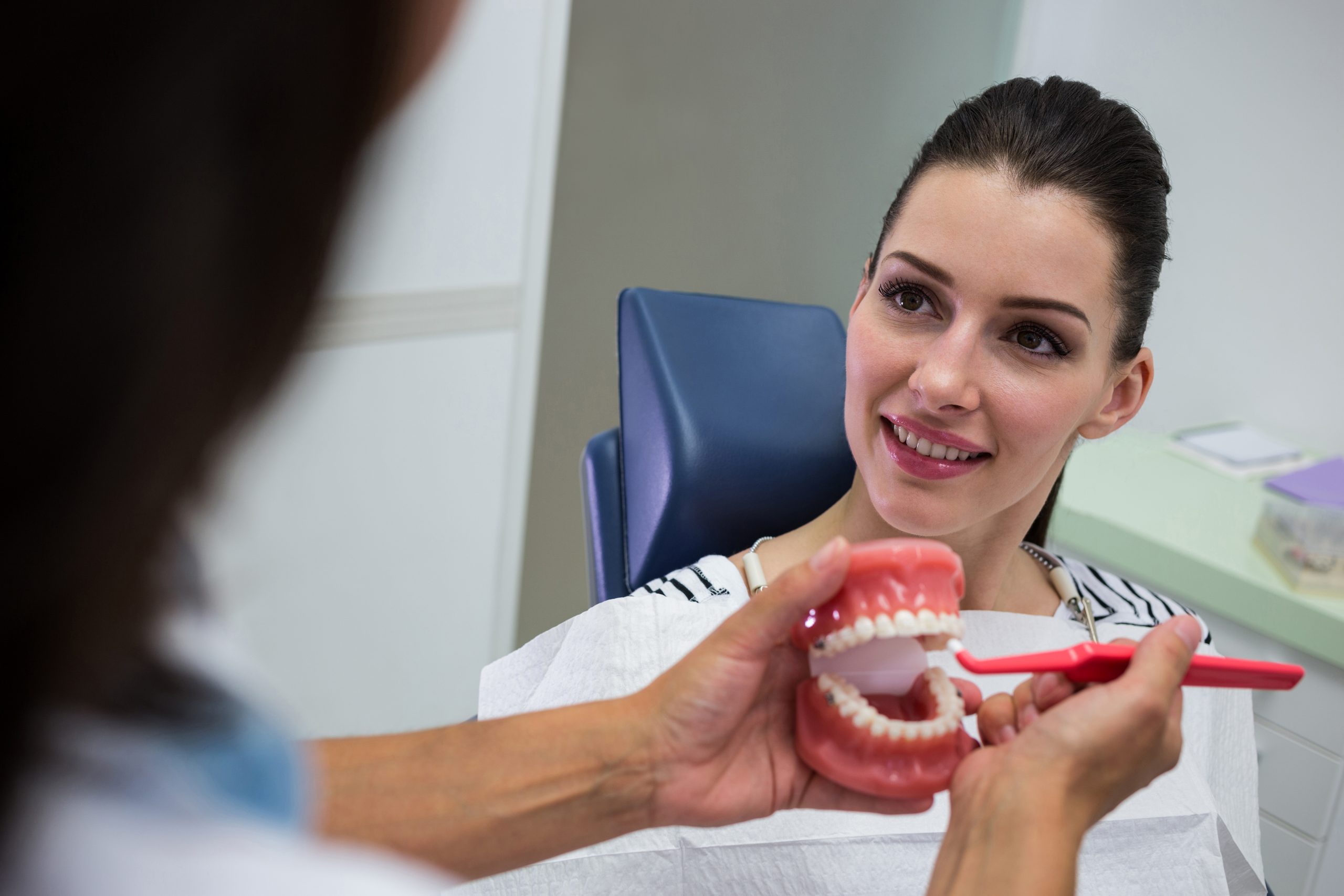
For most overbite cases, the right plan uses braces, clear aligners, or a mix of both, sometimes with a small plate or build-up on the lower teeth. Your specialist will walk you through what your case needs.
You can read more about how aligners work on our invisalign page.
How long does overbite treatment take?
Most overbite cases at our practice take 12 to 24 months, depending on how deep the bite is and which option is used. Simple cases with clear aligners can finish in under a year. More complex cases with fixed braces can run closer to two years. Your specialist will give you a personal time estimate at the consultation.
Will my overbite come back after treatment?
Most overbites stay fixed after treatment if you wear your retainer as instructed. Teeth have a habit of drifting back, especially in the lower front. A retainer, usually worn at night, holds the new position.
Common retainer options are a clear night tray, a fixed wire behind the front teeth, or a combination. Our team will pick the retainer that best suits your bite.
What questions do patients ask about overbite treatment?
Can an overbite be fixed in adults? Yes. The biology is the same as for teenagers. The bone is just a little denser, so treatment can take a few months longer.
Is an overbite the same as an overjet? No. An overbite is how much the top teeth cover the bottom teeth vertically. An overjet is how far the top teeth stick out horizontally.
Will my face shape change? In some cases, yes. Opening a deep bite can make the lower face look a little longer and the chin look more defined.
Will I need teeth removed? Not always. Tooth removal is only used when the teeth are very crowded or the jaw is much smaller than the teeth need.
Can an overbite cause jaw pain? Yes. A deep bite can put extra stress on the jaw joints and the muscles that close the mouth.
Ready to talk about your overbite?
If you have been wondering whether to fix your overbite, our team at Dental Specialists of Turramurra is here. Call (02) 9488 7455 or visit us at Suite 1-2 / 1335 Pacific Highway, Turramurra NSW 2074, Monday to Friday, 9:00 am to 5:00 pm. You can also read more about our full Overbite Treatment options on our website.