

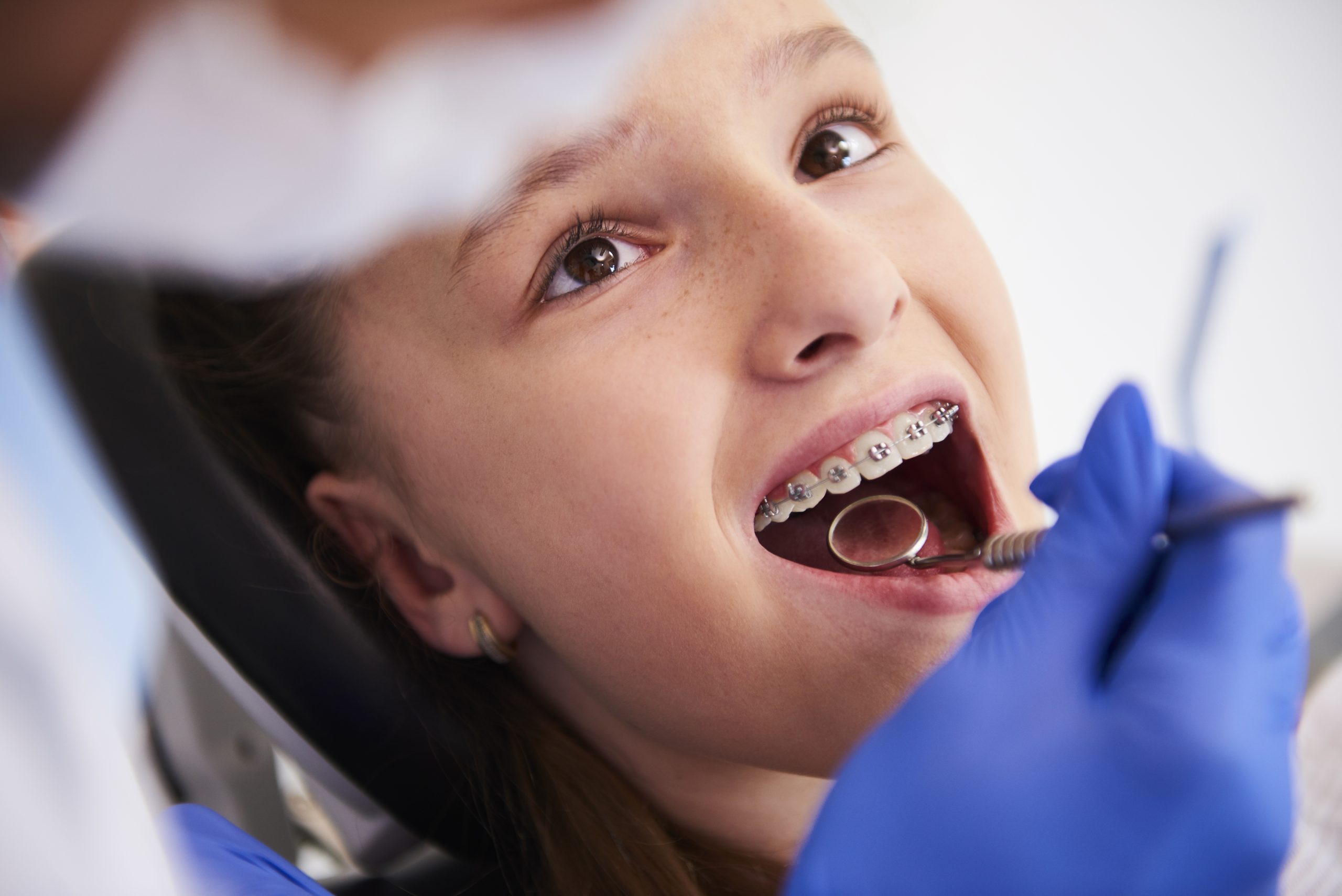
If you want straight teeth but you do not want anyone to see your braces, lingual braces might be the answer. This page explains how Lingual Braces work, who they suit best, and how our Turramurra team plans each case.
What are lingual braces?
Lingual braces are fixed braces that are glued to the back of your teeth, on the tongue side, so they cannot be seen from the front. "Lingual" is the dental word for "tongue side". Brackets and wires sit on the inner surface of each tooth, doing the same job as traditional braces but completely out of sight.
Because they are custom-made for the back of your teeth, lingual braces are a different kind of treatment to put on. Our team at Dental Specialists of Turramurra plans each one with a 3D scan of the back of your mouth. That makes the fit close and the result predictable.
Who are lingual braces for?
Lingual braces are a popular choice for adults in client-facing jobs, public speakers, and musicians who play wind or brass instruments. They are also a good fit for anyone who plays contact sport, where a hit to the mouth can damage brackets on the front of the teeth.
You might think about lingual braces if you:
- speak or present for a living and want a low-key option
- play a wind or brass instrument and find normal braces get in the way
- play contact sport such as rugby, AFL, or martial arts
- have had braces before and want to fix teeth that have shifted, without wearing aligners again
Lingual braces are not usually used on children whose adult teeth have not finished coming through. Our adults-orthodontist page has more on treatment for grown-ups.
How do lingual braces work?
Lingual braces use small metal brackets and a thin archwire to move your teeth, just like braces on the front, but they work from the back. The wire is adjusted at each visit, applying gentle pressure to guide the teeth into a better position.
The main parts of a lingual brace are:
- Brackets bonded to the back of each tooth
- Archwires that connect the brackets and deliver the moving force
- Elastics or coils that help with specific movements
- Bands that anchor the system to the back molars
Each visit, our specialist may swap the wire for a new shape to keep the movement going. The full course of treatment usually runs 12 to 24 months, depending on how much movement is needed.
What are the pros and cons of lingual braces?
The main benefit is that they are hidden, and the main trade-off is that they take a little longer to get used to than front braces. Below is a simple comparison to help you weigh it up.
The first week with lingual braces can feel strange against your tongue. Most patients adapt within a fortnight. We give you soft wax to place over any brackets that rub, and simple tips for eating and speaking in the meantime.
How are lingual braces fitted?
Lingual braces are fitted in one longer visit, after a full plan and a custom lab order, then adjusted every 6 to 8 weeks. The brackets are pre-positioned on a transfer tray in the lab, so the placement visit is quicker and more accurate than placing each bracket by hand.
The steps in your treatment are:
- Consultation and records. Photos, a 3D scan, and x-rays so we can plan.
- Custom design. Your brackets are set up on a model of the back of your teeth.
- Fitting visit. The brackets are bonded in place and the first wire is seated.
- Adjustments. You come in every 6 to 8 weeks for wire changes and checks.
- Debond. The braces come off and a retainer holds the new position.
Are lingual braces uncomfortable?
The first week is the most tender, especially on the tongue, and the discomfort settles quickly with our comfort options. Like any fixed brace, your teeth feel tender for a couple of days after each adjustment. That is a sign the teeth are moving.
Comfort options we can offer include:
- a computerised anaesthetic that delivers numbing drop by drop, instead of a conventional needle
- aromatherapy eye packs
- virtual reality DVD viewers during longer visits
- premedication and inhalational analgesia for anxious patients
How much do lingual braces cost in Turramurra?
The cost depends on the complexity of your case, and we will give you a written quote after the consultation, never an online guess. Lingual braces tend to be on the higher end because of the custom lab work. Many patients pay over time using Afterpay, DentiCare, humm, and major health funds.
Our team will walk you through the numbers once we know your plan. You do not need to commit at the first visit.
What questions do patients ask about lingual braces?
Can anyone have lingual braces? Most adults can, but some bite problems are easier to treat with front braces or aligners. We will tell you what suits your teeth at the consultation.
Will they affect my speech? Most people notice a small change for a few days. Speech is usually back to normal within two weeks.
Can I still play sport? Yes. We recommend a custom mouthguard for any contact sport. The mouthguard sits over the braces and protects them.
How do I clean them? Brush after every meal, use a small interdental brush around each bracket, and a water flosser helps. We will show you the routine at the fitting visit.
What happens after the braces come off? You wear a retainer to hold the new position. Without a retainer, teeth tend to drift back.
Ready to talk about lingual braces in Turramurra?
If you have been thinking about hidden braces and want a no-pressure chat, call us on (02) 9488 7455 or visit Suite 1-2 / 1335 Pacific Highway, Turramurra NSW 2074. We are open Monday to Friday, 9:00 am to 5:00 pm. You can also read more about our orthodontics options on our website.