

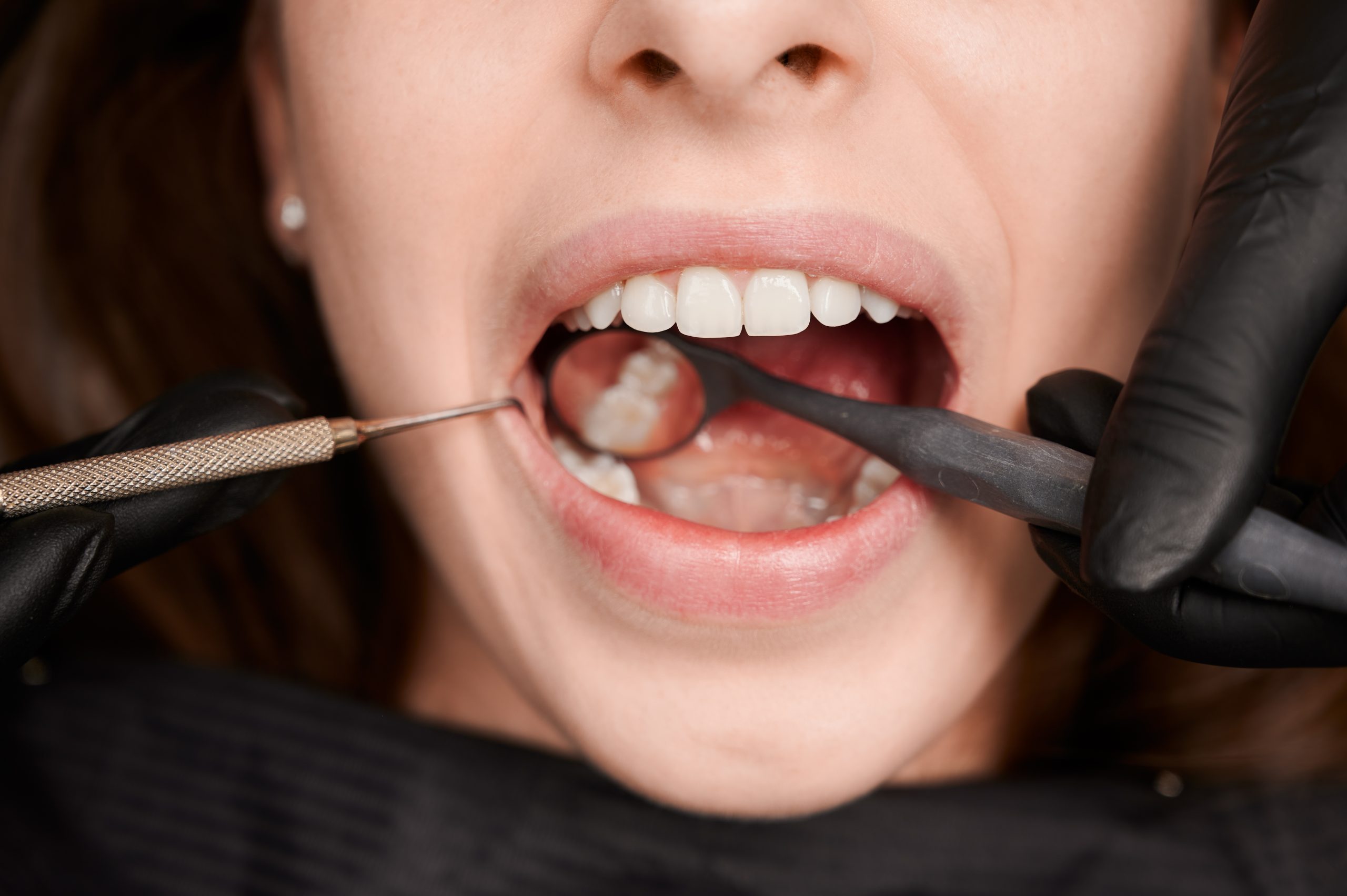
You have 2 main ways to close a gap between teeth: a cosmetic fix like bonding or veneers, or an orthodontic fix that moves the teeth together. Each suits a different gap, a different budget, and a different patient. At Dental Specialists of Turramurra, our team plans both options under one roof through our Gaps Between Teeth Treatment service.
This page is a plain guide. Short sentences. No jargon unless we explain it.
What is a gap between teeth (a diastema)?
A diastema is the dental name for a gap between two teeth. The most common one is a gap between the two upper front teeth. But gaps can show up anywhere in the mouth.
Gaps happen for 4 common reasons:
- The teeth are too small for the size of the jaw.
- The labial frenum (the small piece of skin that connects the upper lip to the gum) is too thick or too low, and sits between the front teeth.
- Habits. Thumb sucking or tongue pushing against the front teeth over time.
- Gum disease. Bone loss around a tooth can let it drift and create a gap.
The reason for the gap matters. Some gaps come back after a cosmetic fix if the cause is not addressed.
Which fix is right for me?
There is no single right answer. The best fix depends on the gap, your bite, and your goals. Here is a simple decision framework.
Most patients fall into one of 2 camps:
- Quick cosmetic fix. Small gap, teeth otherwise healthy, want it closed in 1 or 2 visits.
- Orthodontic closure. Wider gap, crowded or crooked teeth, willing to wear aligners for several months.
Path 1: Cosmetic closure with bonding or veneers
Cosmetic closure means we add tooth-coloured material to the sides of the teeth to close the gap. The teeth stay where they are.
There are 2 main options:
- Composite bonding. A tooth-coloured resin (a kind of strong plastic paste) is added to the edges of the teeth. Set hard with a blue light, then shaped and polished. Usually done in 1 visit, often without numbing.
- Porcelain veneers. Thin shells of high-strength porcelain bonded to the front of the teeth. Take 2 visits over 2 to 3 weeks. Look more natural and resist stain better.
When cosmetic closure is the right fix
- The gap is small (under 3 mm).
- The teeth are otherwise healthy and in the right place.
- The patient wants the result in 1 or 2 visits.
- The patient is happy that the teeth will look slightly wider after the gap is closed.
The trade-off
- The teeth look slightly wider. This is usually fine, but it is worth seeing on a try-in before the final veneers are made.
- Composite can chip and stain over time. Porcelain is stronger but still needs care.
- If the cause of the gap (such as a thick frenum) is not fixed, the gap can come back.
Path 2: Orthodontic closure
Orthodontic closure means we move the teeth together with braces or aligners. The teeth themselves do not change shape or size. The result looks the most natural because nothing is added.
At our practice, the most common option is Invisalign, a series of clear, removable aligners that move the teeth a little at a time. Each aligner is worn for about 2 weeks before moving to the next one.
We are a Platinum Invisalign Provider, which means we treat a high volume of Invisalign cases and have the experience to plan more complex moves.
You can read more about our Invisalign service, or about our wider Orthodontics options for adults.
When orthodontic closure is the right fix
- The gap is wide (over 3 mm).
- The teeth are crowded, crooked, or in the wrong place.
- The patient wants a result that lasts without adding material to the teeth.
- The patient is happy to wear aligners for 6 to 18 months.
The trade-off
- It takes longer than a cosmetic fix.
- It costs more upfront.
- The patient has to wear retainers afterwards to keep the teeth in place.
Can you combine the two paths?
Yes. Many patients do. The most common combination is:
- Orthodontic closure first. Invisalign moves the teeth together.
- Small cosmetic touch-up second. Composite or veneers refine the shape of the front teeth.
This is the right plan when the gap is wide, the teeth are slightly different sizes, or the patient wants the most natural final result.
How long does each path take?
- Composite bonding: 1 visit, about 60 to 90 minutes.
- Porcelain veneers: 2 visits over 2 to 3 weeks.
- Invisalign: 6 to 18 months, with check-ups every 6 to 8 weeks.
- Combination: 9 to 24 months total, depending on the case.
Will the gap come back?
Gaps can come back if the cause is not fixed. The 3 most common reasons a gap returns are:
- No retainer after orthodontics. Teeth drift back without one.
- A thick labial frenum that was not addressed.
- Gum disease that was not treated.
We always check for these causes at the first visit and include the fix in the plan if needed.
How much does gaps between teeth treatment cost?
Costs vary depending on the path you choose, the size of the gap, and how many teeth are involved. We do not publish prices. After your first visit we give a clear written quote.
You can spread the cost with Afterpay, DentiCare, or humm. We accept BUPA, Medibank, and other major health funds.
How do I book?
Call us on (02) 9488 7455 or visit us at Suite 1-2 / 1335 Pacific Highway, Turramurra NSW 2074. We are open Monday to Friday, 9:00 am to 5:00 pm.
What is comfort like during treatment?
Our lead prosthodontist, Dr Anthony Au, uses a computerised anaesthetic that numbs you drop by drop for any treatment that needs it. Most bonding and veneer work does not need much numbing. While we work, you can:
- Watch a DVD on a virtual reality headset.
- Have an aromatherapy eye pack placed over your eyes.
- Listen to music.
- Ask for premedication or inhalational analgesia if you feel anxious.
Afterward, we serve Italian espresso, tea, or a herbal infusion in our lounge.
Frequently Asked Questions
Is a small gap worth fixing?
If it bothers you, yes. A small gap can be closed in a single visit with composite bonding. It is one of the most satisfying cosmetic treatments we do.
Can a gap close on its own in children?
Sometimes. Gaps in children's teeth often close when the permanent canines come through around age 11 to 13. We do not recommend treatment for children unless there is a clear cause that needs early care.
Will my teeth look fake after bonding?
No, when done well. The composite is matched to your tooth colour, layered in different shades, and polished to a natural gloss. Most patients say their friends cannot tell which tooth was bonded.
How long do I have to wear retainers after Invisalign?
For most patients, retainers are worn full-time for the first 3 to 6 months, then just at night for as long as you want the teeth to stay straight. Teeth can drift at any age, so most adults wear a night retainer for life.