

A cracked tooth is a tooth that has a split, fracture, or crack running through some or all of its structure. The crack can be a tiny hairline that you can barely see, or a deep split that runs into the nerve. Our Cracked Tooth Syndrome Treatment team at Dental Specialists of Turramurra finds the crack, treats the cause, and protects the tooth from breaking further.
If you have a tooth that hurts when you bite, twinges on hot or cold, or feels different from the teeth next to it, this guide is for you. We will walk through the four types of cracks, the symptoms, and the treatments for each one.
What is a cracked tooth?
A cracked tooth is a tooth with a fracture line running through the enamel, dentine, or root. The crack can be small enough to fit a single hair, or wide enough to separate the tooth into two pieces. Most cracked teeth sit somewhere in the middle, easy to miss on a quick look and easy to feel when you bite.
A cracked tooth is different from a chipped tooth (a small piece has broken off) or a knocked-out tooth (the whole tooth has come out). A crack is a fracture line still in the tooth, even though the tooth has not fallen apart yet. Cracked teeth are most common in back teeth (molars and premolars) that take the heaviest chewing forces, and in teeth with large old fillings.
What are the four types of cracks?
Dentists describe cracked teeth using four common patterns, and each has a different fix.
The earlier a crack is found, the simpler the fix. A craze line usually needs no treatment. A fractured cusp can often be fixed with a new filling or onlay. A cracked tooth usually needs a crown. A split tooth usually needs removal.
What are the symptoms of a cracked tooth?
A cracked tooth is easy to miss because the symptoms come and go, and the tooth often looks normal on an x-ray. The most common signs are pain when biting down that stops when you let go (the classic sign); sensitivity to hot, cold, or sweet that does not go away; pain that comes and goes; a tooth that feels rough or sharp to the tongue; a line you can see on the tooth; and gum swelling near the tooth. If a single tooth keeps hurting but the gum and x-ray look normal, a crack is one of the first things our team will check for.
What causes a cracked tooth?
There is no single cause. Most cracks come from a mix of forces on a tooth that is already weakened.
In many patients, two or three of these factors sit on top of each other. A back tooth with a large old filling, plus a habit of grinding at night, plus a single bite on a hard pip is often enough to start a crack.
How is a cracked tooth treated?
Treatment depends on the type of crack, how deep it goes, and how much healthy tooth is left. Our team will usually take an x-ray, do a close examination, and sometimes use a special dye or a fibre-optic light to see the crack more clearly.
The earlier a cracked tooth is treated, the better the chance of saving it. A crown placed soon after the crack is found often lets the tooth last for many more years. A crack that is left alone keeps growing.
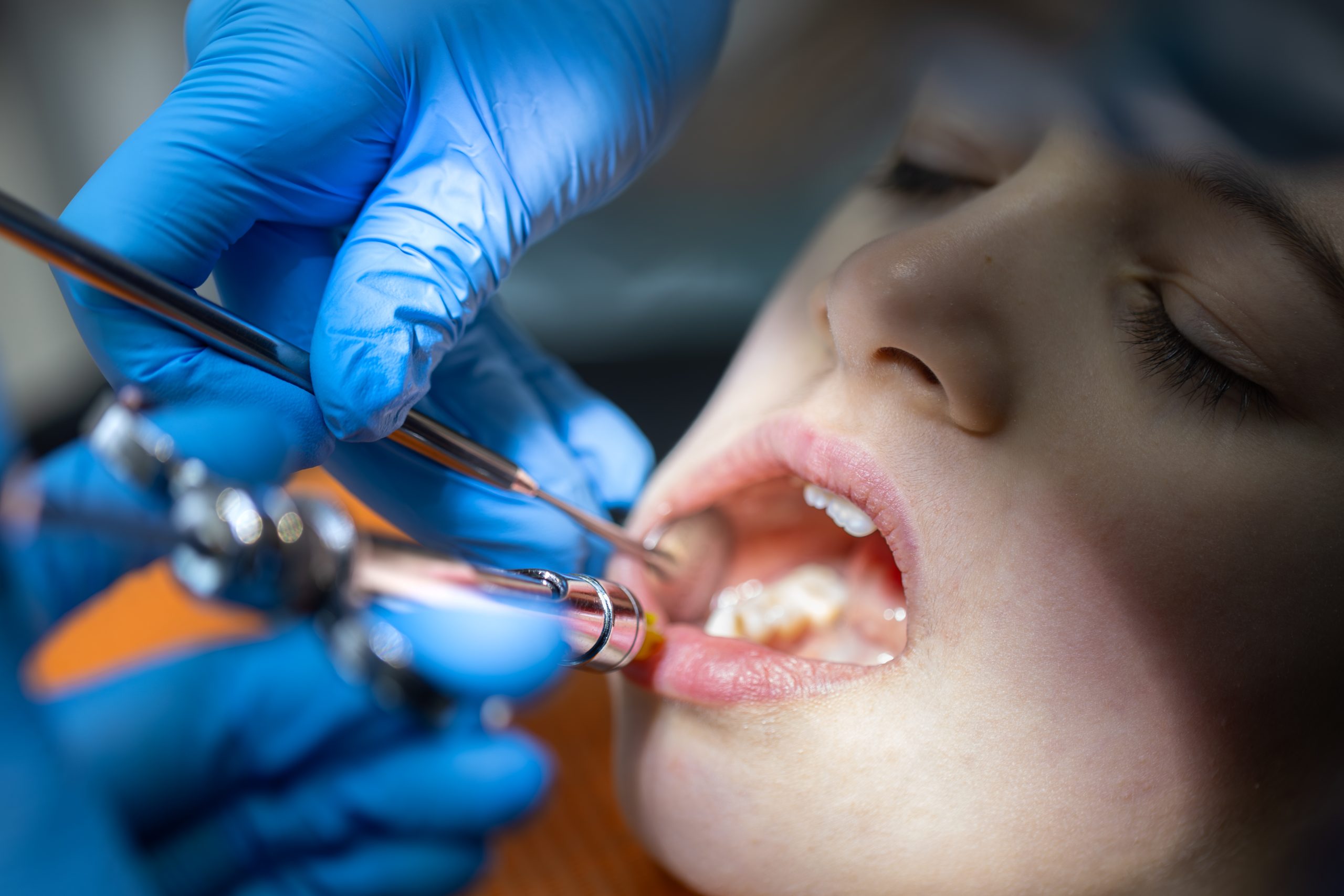
For patients who feel anxious about treatment, our team uses a computerised anaesthetic unit that delivers local anaesthetic drop by drop through a tiny point, so numbing is gentler than a conventional needle.
When is a cracked tooth an emergency?
Most cracked teeth can wait a day or two for a planned visit. A few signs mean you need to be seen the same day: a piece of the tooth has broken off and the tooth is sharp or bleeding; the tooth is loose or has moved; you have a constant ache, swelling, or a bad taste; or you cannot bite down at all without sharp pain. Call us on (02) 9488 7455 so we can fit you in, or visit our Emergency Dentist Turramurra page for more detail.
How do I stop a cracked tooth getting worse?
A cracked tooth will not heal itself, but the right protection can stop the crack from spreading. Get a crown or onlay placed quickly if our team recommends it; avoid biting on the cracked tooth until the crown is in place; wear a custom night splint if you grind or clench your teeth; and avoid hard food (ice, hard lollies, olive stones) on the cracked side until the tooth is restored. Once a crown is in place and the bite is balanced, most cracked teeth settle down and last for many years.
Book a cracked tooth check-up in Turramurra
If you think you have a cracked tooth, our team at Dental Specialists of Turramurra is here to help. Call (02) 9488 7455 to book. The practice is at Suite 1-2, 1335 Pacific Highway, Turramurra NSW 2074, open Monday to Friday, 9:00 am to 5:00 pm. Our lead prosthodontist Dr Anthony Au and our team tailor each plan to the tooth in front of them.
Frequently Asked Questions
Can a cracked tooth heal on its own?
No. Unlike bone, tooth enamel and dentine cannot knit back together. A crown holds the tooth together and stops the crack from spreading.
How do I know if my tooth is cracked or just sensitive?
A crack usually hurts on biting and lets go when you open, while sensitivity is more even and triggered by hot, cold, or sweet. If the pain comes and goes in the same spot and feels worse when you chew, a crack is the more likely cause.
Can a cracked tooth be saved?
Most cracked teeth can be saved if the crack has not reached the root. A split tooth usually cannot be saved. The earlier a crack is found, the better the chance of saving the tooth.
What happens if I ignore a cracked tooth?
The crack will keep growing, and the tooth will eventually break past the point of saving. A cracked tooth that needs a crown today may need removal in a year if it is left alone.