

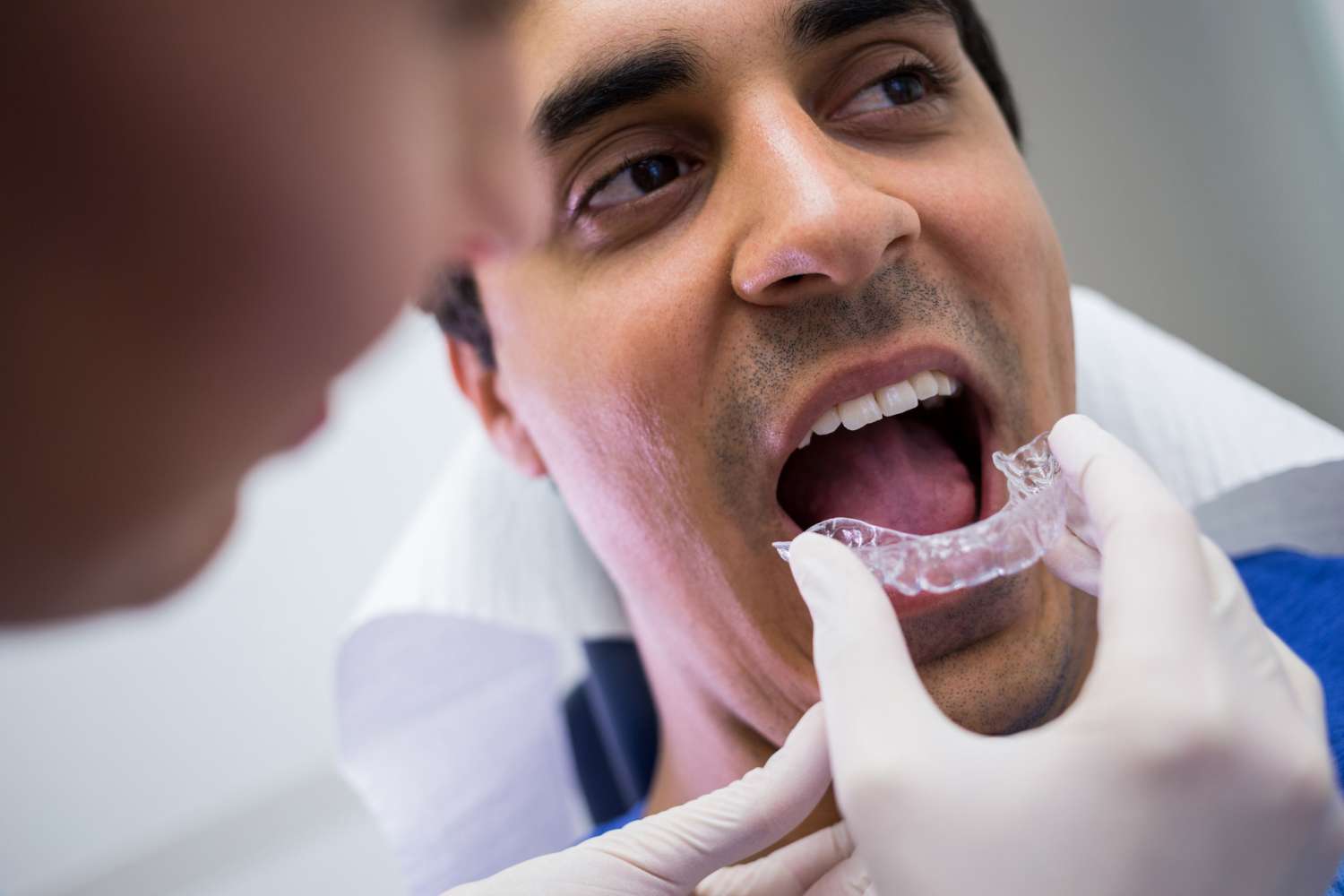
You finished orthodontic treatment, your teeth look aligned, and there it is. A thin bonded lingual retainer sitting quietly behind your front teeth. Most of the time, you barely notice it. Then one day, it feels rough. It starts trapping food. Maybe it has broken slightly. Suddenly you are wondering, can a dentist remove a permanent retainer?
A fixed retainer is designed to hold teeth in place after braces or clear aligners. It plays an important role in preventing orthodontic relapse. However, it is still a dental appliance. Like anything bonded to enamel, it can require maintenance, repair, or removal over time.
At Dental Specialist Turramurra, our orthodontics team provides comprehensive post-treatment care. Whether you need emergency dental or routine orthodontic follow-up, we're here to help.
What Is a Permanent Retainer and Why Is It Bonded?
A permanent retainer, often called a bonded lingual retainer, is a thin wire attached to the back of the front teeth using composite bonding. It is placed after orthodontic treatment as part of the retention phase.
Its purpose is simple. Teeth have a natural tendency to shift. The retainer provides ongoing support to maintain alignment.
Common characteristics include:
- Wire positioned behind lower or upper front teeth
- Composite adhesive securing the wire
- Hidden placement for aesthetic reasons
- Long term retention support
Although called permanent, it does not necessarily stay in place forever. It may require review during orthodontic follow up appointments. Our children's orthodontics services ensure proper monitoring.
Can a Dentist Remove a Bonded Lingual Retainer Safely?
Yes. Dentists are trained to remove bonded orthodontic appliances, including fixed retainers. The procedure is considered non surgical appliance removal and falls within the dental scope of practice.
Removal typically involves:
- Carefully debonding the composite adhesive
- Gently lifting the wire from the enamel surface
- Smoothing and polishing enamel after adhesive removal
- Assessing tooth stability
The key focus during removal is enamel surface care. Protecting the enamel is essential to prevent unnecessary damage.
Why Might Someone Need a Fixed Retainer Removal?
There are several reasons a patient may seek retainer removal.
Common reasons include:
- Retainer wire has broken
- Hygiene difficulty due to plaque build up around retainer
- Gum irritation
- Orthodontic relapse assessment
- Planned replacement
- Transition to removable retention
Plaque build up around a retainer can increase the risk of gum inflammation. If hygiene is difficult, removal and reassessment may be considered.
What Happens During the Removal Appointment?
The process of removing a bonded lingual retainer is usually straightforward.
Steps often include:
- Assessment of current orthodontic stability
- Evaluation of enamel and gum health
- Debonding composite adhesive carefully
- Removing the retainer wire
- Polishing the enamel surface
- Discussion about future retention needs
Enamel protection is a primary concern. Adhesive is removed cautiously to avoid surface damage. A dentist may also consult an orthodontist before removal, particularly if long term stability is uncertain.
What Should Be Considered Before Removing a Retainer?
Removing a permanent retainer is not just about taking out a wire. It is about maintaining the result of previous orthodontic treatment.
Without some form of retention, teeth may gradually shift. Even years after braces or clear aligners, movement can occur. This is why removal is often paired with a discussion about continued retention.
Does Removing a Retainer Hurt?
Removal of a fixed retainer is generally not painful. You may feel light pressure during debonding, but it is typically well tolerated. After removal, teeth may feel slightly different without the wire, but this sensation settles quickly.
If adhesive is not fully removed or enamel is not polished properly, roughness may remain. This is why professional removal is important.
What Role Does Ongoing Orthodontic Follow Up Play?
Orthodontic follow up is an important part of post treatment care. A bonded retainer is not a set and forget device. It should be checked during routine dental visits.
Monitoring helps detect:
- Loose composite bonding
- Broken wires
- Gum inflammation
- Plaque accumulation
- Signs of orthodontic relapse
Maintaining regular reviews ensures that retention continues to support long term alignment.
Why Choose Dental Specialist Turramurra for Retention Care?
When it comes to managing post orthodontic retention, precision matters. Dental Specialist Turramurra provides careful assessment of bonded retainers and overall tooth stability. The team understands that retainer removal is not simply a technical step. It is part of protecting years of orthodontic treatment.
Patients are guided through the process clearly, with emphasis on enamel preservation, gum health, and long term alignment. If removal is appropriate, it is performed with attention to detail and followed by discussion of ongoing retention strategies.
If you are unsure whether your fixed retainer should remain in place or be replaced, a professional evaluation can provide clarity and reassurance.
Our Invisalign and dental implants services provide comprehensive dental care.
Disclaimer: All dental procedures involve potential risks and benefits. The information provided in this blog is general in nature and should not be taken as medical advice.
Frequently Asked Questions
Is a permanent retainer truly permanent?
It is designed for long term use but may require maintenance or replacement over time.
Can I remove my fixed retainer myself?
No. Attempting removal without professional tools can damage enamel.
Will my teeth move after removal?
Movement can occur if no alternative retention is provided.
Does removal damage enamel?
When performed correctly, enamel surface care minimises risk.
Can a general dentist remove it or do I need an orthodontist?
A general dentist can remove a bonded retainer, though consultation with an orthodontist may be recommended in some cases.
Should I replace it with a removable retainer?
That depends on individual assessment and long term stability considerations.
References
- Australian Society of Orthodontists: Retention Information https://www.aso.org.au
- Healthdirect Australia: Orthodontics https://www.healthdirect.gov.au/orthodontics
- Dental Board of Australia Guidelines for Advertising https://www.dentalboard.gov.au